Types of Systems
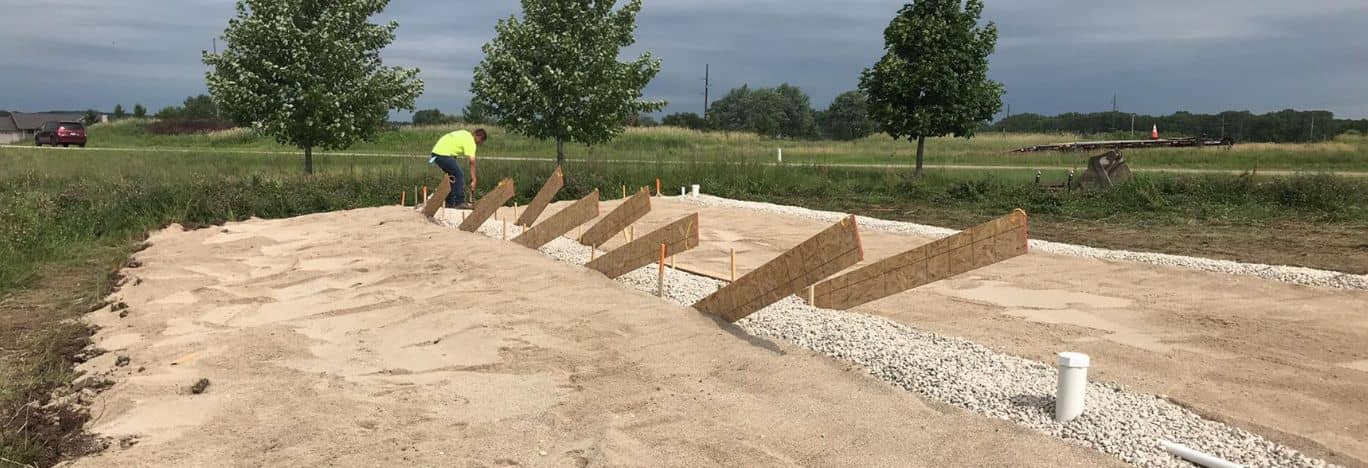


Uses a gravel bed or trench to treat wastewater after it leaves the septic tank. Effluent flows by gravity or pump into the drain field. Best for properties with deep, well-draining soils and no high groundwater or bedrock issues.

Built when soil conditions prevent a standard in-ground system. A raised sand mound provides proper separation from groundwater or bedrock. Wastewater is pumped evenly through the mound for treatment.

Installed at the natural soil surface without additional sand fill. Ideal for sites that can’t support a conventional system but still meet separation requirements. Effluent is pumped for even distribution.

Adds oxygen to the wastewater treatment process, producing cleaner effluent. Requires less space, making it ideal for small lots or poor soil conditions.

Temporarily store wastewater until pumped and transported to a municipal treatment facility. Equipped with an alarm system to notify when the tank is nearly full. Regular pumping is required to prevent overflow.

Any private septic system, including conventional, mound, at-grade, or aerobic systems. Must be inspected and maintained regularly according to state regulations.

Whether you need routine pumping, a system inspection, or
emergency service, our team is ready to help.